Use of Gold in Babylonian Architecture
During the Neo-Babylonian Empire, several significant buildings in Babylon are believed to have incorporated gold in their construction and decoration. Notable examples include:
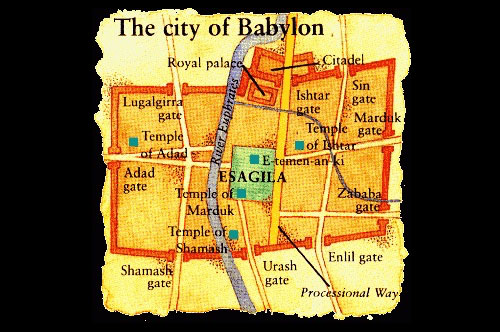
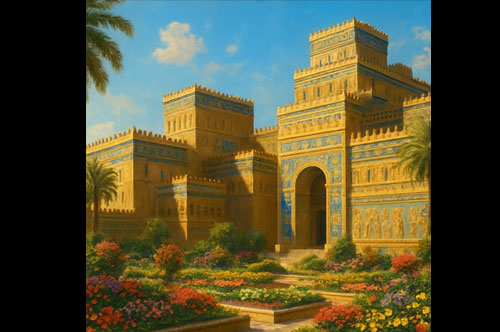
1. The Ishtar Gate: This iconic entrance to Babylon was adorned with glazed bricks and reliefs of dragons and bulls, and although the gate itself was not covered in gold, it symbolized the wealth and splendor of the city. Gold may have been used in the decorative elements and in the surrounding structures.
2. The Temple of Marduk (Esagila): The main temple dedicated to the god Marduk was a central religious site in Babylon. It is believed to have featured gold in its decoration, particularly in altars, statues, and other religious artifacts, signifying the divine presence and importance of the temple.
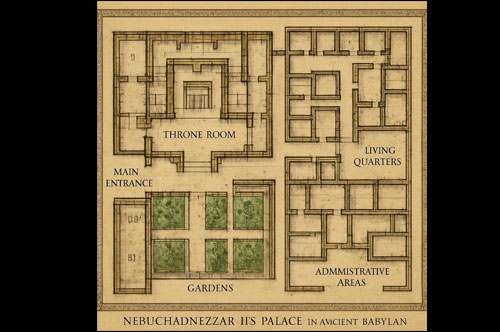
3. Nebuchadnezzar II’s Palace: The royal palace of Nebuchadnezzar II would have been richly decorated, likely using gold for various ornamental details, furniture, and fixtures. The palace was a symbol of royal power and grandeur.
4. Ziggurat of Babylon (Etemenanki): While primarily constructed from mud bricks, the ziggurat may have included gold in its upper levels or decorative elements, reflecting the wealth of the empire and its religious significance.
Gold in Babylon
Historians and scholars of ancient Mesopotamia have examined the use of gold in the Neo-Babylonian Empire through various archaeological findings, inscriptions, and historical texts. While specific references to gold can be found in a range of works, here are some general themes and insights that historians often discuss regarding gold in this context:
1. Symbol of Wealth and Power: Historians note that gold was a primary symbol of wealth and power in the Neo-Babylonian Empire. It was used extensively in royal and religious contexts, signifying the authority of kings like Nebuchadnezzar II and their divine right to rule.
2. Religious Significance: Many historians emphasize the importance of gold in religious practices and architecture. For instance, gold was commonly used in temple decorations, altars, and offerings to the gods, reflecting the belief in the divine nature of gold and its connection to the divine.
3. Craftsmanship and Artistry: Scholars often highlight the remarkable craftsmanship involved in working with gold during this period. Artisans employed advanced techniques such as gilding, inlay, and engraving, which are documented in various archaeological finds, showcasing the high level of skill and artistry.
4. Economic Role: Historians discuss gold’s role in the economy of the Neo-Babylonian Empire. Gold was used as a medium of exchange, a store of value, and a means of facilitating trade. The abundance of gold in Babylon contributed to its status as a major economic center.
5. Archaeological Evidence: Many historians reference archaeological discoveries, such as gold objects, jewelry, and decorative artifacts found in burial sites and temples, to support their analyses of the significance of gold in Neo-Babylonian society.
6. Literary References: Ancient texts, including the Babylonian Chronicles and various inscriptions, provide insight into the perception of gold as a valuable resource. These texts often mention gold in the context of tribute, offerings, and the wealth of the empire.
Historians have thus painted a picture of gold as not only a valuable material in the Neo-Babylonian Empire but also as a symbol of the civilization’s religious, economic, and artistic achievements. These insights contribute to a deeper understanding of the cultural significance of gold in ancient Babylonian society.