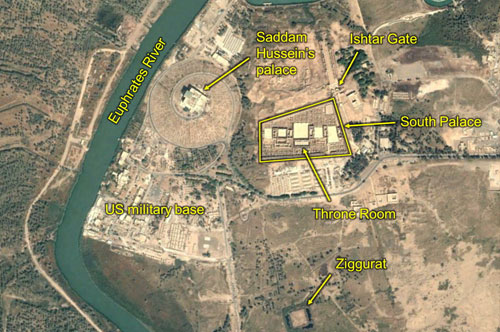
Aerial Photo of the Remains of Nebuchadnezzar’s Palace in Iraq
Remains of Nebuchadnezzar’s Palace with Throne Room Identified
Reconstructed platform for Nebuchadnezzar’s Throne.
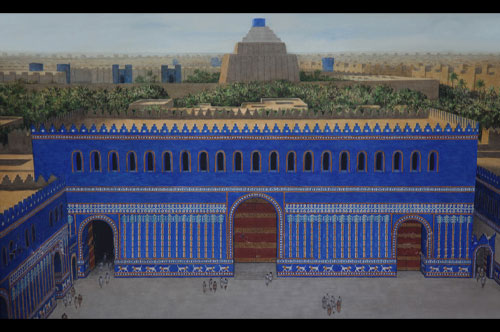
Depiction of Nebuchadnezzar’s Throne Room - 150 ft by 45 ft
Looks a little like a gnome?
Scholars estimate Nebuchadnezzar used as many as 15 million bricks rebuilding the walls, the temples and the palaces of Babylon. Many of these bricks were stamped with an inscription stating Nebuchadnezzar was caring for the temples of the supreme god Marduk (Esagila) and his son Nabu (Ezida). They read: “Nebuchadnezzar, king of Babylon, who cares for Esagila and Ezida, eldest son of Nabopolassar, king of Babylon.”
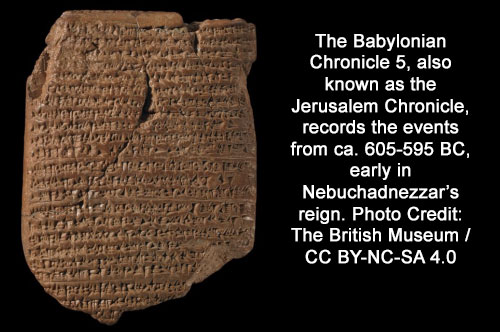
One of Nebuchadnezzar’s most famous inscriptions is pictured above. It describes Nebuchadnezzar’s achievements in building the great temples of Esagila and Ezida, as well as the city walls and royal palaces in Babylon. In it he boasts: ‘I am Nebuchadnezzar, king of Babylon, the exalted prince, the favourite of the god Marduk, the beloved of the god Nabu, the arbiter, the possessor of wisdom, who reverences their lordship, the untiring governor who is constantly anxious for the maintenance of the shrines of Babylonia and Borsippa…By thy command, merciful Marduk, may the temple I have built endure for all time and may I be satisfied with its splendor”.
What do you think? Perhaps a tad arrogant?
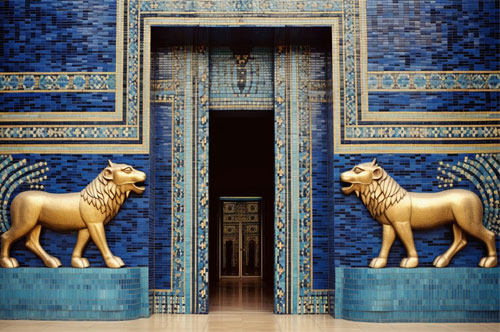
Historians note that gold was a primary symbol of wealth and power in the Neo-Babylonian Empire. It was used extensively in royal and religious contexts, signifying the authority of kings like Nebuchadnezzar II and their divine right to rule.
Historians discuss gold’s role in the economy of the Neo-Babylonian Empire. Gold was used as a medium of exchange, a store of value, and a means of facilitating trade. The abundance of gold in Babylon contributed to its status as a major economic center.
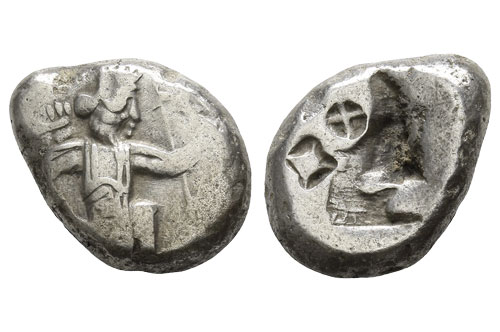
During the Persian Empire, the Achaemenid period (550-330 BC), silver played a crucial role in the economy of the empire.
Silver was a primary medium of exchange and a standard for wealth in the Persian Empire. The empire utilized silver coins, which facilitated trade across its extensive territories, from the Indus Valley to the Mediterranean.
Many regions within the empire were required to pay tribute in silver. This tribute system helped maintain the empire’s wealth and allowed for funding of infrastructure, military campaigns, and royal projects.
Alexander the Great contributed to the use of brass in military applications through several key factors:
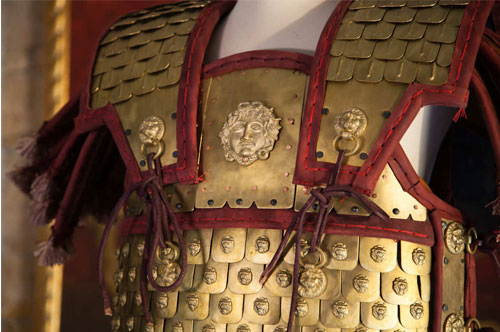
Alexander recognized the advantages of brass for weapons and armor, leading to its wider adoption and standardization within his army. This ensured that his troops were equipped with reliable and effective gear.
The effectiveness of brass in producing lighter and more durable equipment aligned with Alexander’s military strategies emphasizing mobility and rapid deployment. Brass weapons and armor helped his troops maintain agility on the battlefield.